New cancer support groups provide spaces of understanding and connection
“We’re there for each other. It’s a safe space,” shares Kim, a regular attendee of the new LGBTQIA+ Cancer Support Group. The group meets virtually every month for all those who identify as part of the LGBTQIA+ community and have a cancer diagnosis.
It’s one of three support groups recently created in response to member feedback. There is no one-size-fits-all cancer experience, and these additional groups create new spaces for members to share their unique experiences with others who understand.
In addition to the LGBTQIA+ Cancer Support Group, there is also an Early-Stage Cancer Support and Recurrent & Metastatic Cancer Support. The three groups are in addition to our weekly support groups and 10 other monthly groups.
Responding to member feedback
Of the Recurrent & Metastatic Cancer Support Group, Elizabeth Kunz, Gilda’s Club Program Manager, explains, “Some members were sharing with me that they know their cancer diagnosis is someone else’s worst nightmare, and so finding people who are okay talking about and exploring feelings around mortality and end-of-life, isn’t always easy. Whether it’s from a desire to protect others, or our society’s taboos around loss, some members were left with this unmet need to process it all. So, we created the group for folks to have a place they can go, to talk openly about the thoughts, feelings, and day to day experiences of living with a cancer they may have for the rest of their lives.”
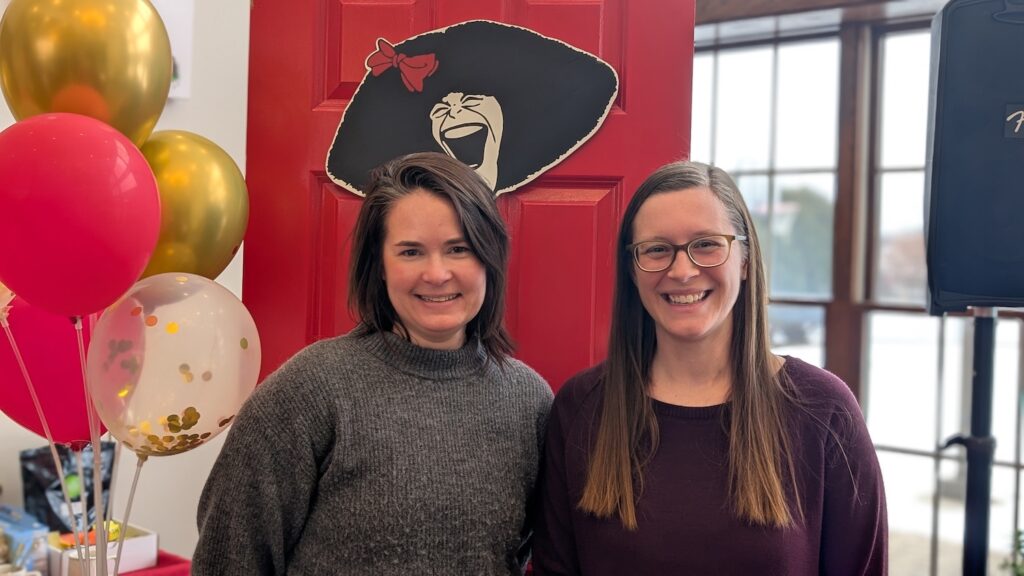
The group has gone so well that members requested an additional meeting each month. Now, the group meets twice a month- once in person, and once virtually, which allows everyone to participate in the way that works best for them.
The unique challenge of an early stage diagnosis
The Early-Stage Support Group was also born from member feedback. Elizabeth shares that she kept hearing similar themes when she saw those with early-stage diagnoses for short-term individual counseling. “They didn’t feel there was a group for them…Because while groups with all stages work for some people, it wasn’t working for everyone.”
Mary Sue, who attends the group, shared that feeling, “I realized when I sat in on the [Breast Cancer] support group that I had nothing to add to these stories. My story seemed insignificant while listening to the stories of these brave, beautiful, (mostly younger) women who had complications and decisions to face that I felt (and honestly hoped) I would never face.”
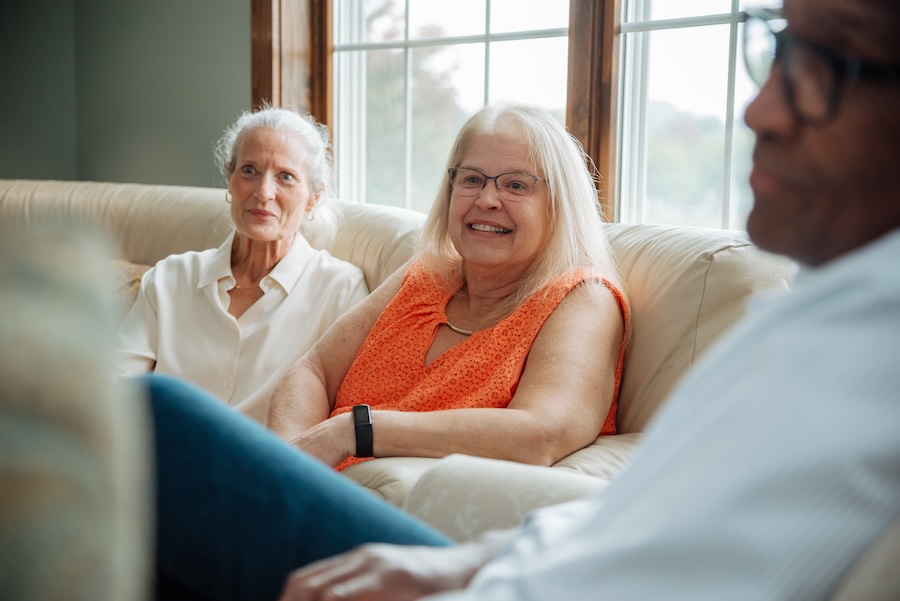
An early-stage diagnosis means that cancer was found early and the cells are localized to one spot. An early-stage diagnosis can bring unique challenges. Elizabeth explains, “Often, some of these members can feel like they don’t qualify or “deserve” support because their experiences have been dismissed and minimized by people who don’t understand what they are going through. Now, in the group, members can talk with each other about their treatments, side effects, hopes and fears.”
Knowing the others in the group “get it”, members can be open and honest about the challenges they face in their cancer journey. “There’s a place where they belong,” Elizabeth explains.
“You know the person across from you understands”
The theme of finding understanding and belonging runs through all three groups. Autumn Kath, Gilda’s Club Program Manager, leads the LGBTQIA+ Support Group. Of the group, she shares, “We’ve had four meetings so far, and people are able to open up about relationship dynamics in ways they haven’t been able to before. Without even having to explain things, you know the person across from you understands.”
Kim, who has attended the group since its inception, shares, “I would really encourage someone to come because they’ll feel safe in the group. Some of the things we go through are totally different from straight couples. We learn a lot from each other. We all listen to each other.”
Mary Sue has had a similar experience in the Early Stage Support Group. “Walking beside those with similar circumstances is a poignant and genuine encounter, for which I am grateful. Sharing the journey with these people is amazing.”
Thank you to all of our donors, in particular our Red Door Society members, who allow us to be responsive to member feedback and create new opportunities based on member needs.
To hear more about Mary’s Sue’s experience, visit her blog “Finding My Place in the Cancer Community.”